baseball glove’s durability revealed: 10 manufacturing principles for an ultra-long lifespan.

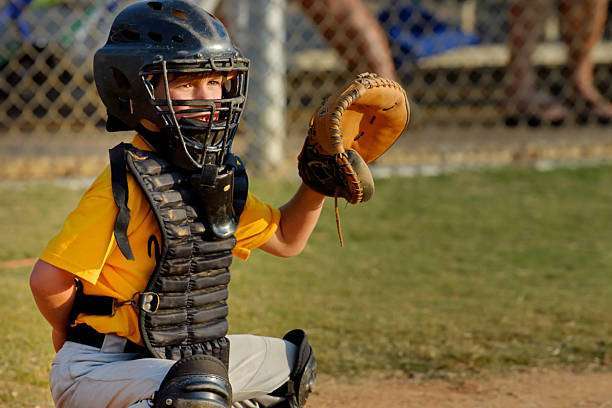
a baseball glove withstands during high-intensity games far exceeds that of a typical fielder’s glove. Catchers must catch dozens to hundreds of high-speed balls throughout a game, each often exceeding 130 kilometers per hour, and even reaching over 150 kilometers per hour in professional leagues. This immense impact makes the baseball glove not only a protective tool but also a piece of professional equipment that must withstand prolonged use. From the toughness of the leather fibers to the tensile strength of the stitching, and the overall structural support design, the durability of a baseball glove is underpinned by rigorous manufacturing logic and profound craftsmanship.
Many novice catchers believe that as long as a glove is thick enough and has a sturdy construction, it can withstand long-term use. However, what truly determines the lifespan of a baseball glove are ten key details hidden behind its manufacturing process. Only by understanding the core principles of this durability engineering can players or athletes make the right judgment when choosing gloves, and truly appreciate why a high-end baseball glove can withstand prolonged use under high pressure without deforming, cracking, or losing its protective capabilities.
a baseball glove is not determined by the quality of a single material, but rather by the comprehensive integration of various structures, processing methods, mechanical distribution, leather selection, and manufacturing processes. Every detail affects whether the glove can maintain its original coverage, shock absorption, and structural stability. If these key manufacturing principles are ignored, even an expensive glove will lose its function in a short period of time, or even deform or crack during a game, directly impacting the catcher’s performance and confidence.
Next, we will delve into the ten key manufacturing principles behind the baseball glove’s exceptionally long lifespan, from leather selection and skeleton construction to shock-absorbing zone design and ball-holding bag shaping, giving you a comprehensive understanding of how “durability” is manufactured.
The grade of leather determines the upper limit of its durability.
Of all the factors affecting the lifespan of a baseball glove , leather grade is the most fundamental and decisive. Top-quality gloves generally use top-grain cowhide or premium calfskin, which have tightly distributed fibers, high natural toughness, and are less prone to cracking after being hit by high-speed balls. In contrast, split leather or recycled leather has a looser fiber structure and is more prone to fatigue, breakage, or deformation after repeated stress.
High-end baseball glove leather undergoes multiple finishing processes and oil filling, giving it excellent tensile strength and abrasion resistance. The more evenly the oil content, the less likely the leather is to harden or crack when subjected to impact. As the oil content of the leather decreases, the glove surface gradually loses its flexibility; therefore, the durable oil structure of high-grade leather is the first guarantee of its durability.
Leather also involves a balance between thickness and elasticity. A baseball glove cannot be too thin, otherwise it will lack shock absorption; nor can it be too thick, otherwise it will lose the flexibility needed to coordinate with the pitcher. High-quality leather strikes just the right balance between thickness and flexibility, making the glove not only durable but also maintaining a stable feel after long-term use.
The glove’s skeleton structure enhances its impact resistance.
a baseball glove determines its ability to withstand continuous impacts and maintain its shape when catching a ball. The skeleton includes a support layer under the palm, a pressure-bearing area at the base of the fingers, and an outer frame. These areas utilize multiple layers of leather or incorporate invisible support plates to enhance pressure resistance.
A sturdy frame prevents the glove from collapsing or bending when catching a high-speed ball. If the frame is not strong enough, the glove will develop problems such as central dent and edge collapse after long-term use, resulting in reduced coverage when catching the ball. This not only affects the judgment of the ball’s landing point but also reduces the stability of the feel when passing.
top-tier baseball gloves is often meticulously designed with mechanical precision to ensure that impact force is not concentrated at a single point, but rather evenly distributed along the glove’s surface. This design allows the glove to maintain its original curvature and fit even after prolonged use.

The material and stitching method determine the overall lifespan.
The stitching is the most easily overlooked yet extremely crucial element of glove construction for durability. The baseball glove withstands not only the impact of the ball but also the pulling force from the opening and closing of the glove, therefore the stitching must have extremely high tensile strength.
High-end gloves typically use tensile nylon thread or waxed thread with an abrasion-resistant coating, allowing them to remain flexible even under repeated bending. The stitching pattern also affects durability; for example, areas with double stitching are often the areas under the greatest pressure, such as the glove edges, seams, and the curved area of the central catching pocket.
Even the finest leather cannot withstand prolonged, high-frequency impacts if the stitching design is flawed. Therefore, stitch durability and stitching structure are crucial factors in determining the lifespan of gloves.
The way the ball-catching bag is shaped affects its long-term stability.
The catcher’s bag is the most frequently used area of the entire baseball glove , and also the area where continuous stress is most concentrated. The way the catcher’s bag is shaped determines whether it can maintain its depth and stability after long-term use.
Traditional shaping methods rely on the natural form of the leather, but modern baseball gloves utilize structured curved designs to give the bag a more stable shape from the outset. High-end models even incorporate hidden support strips to ensure the bag maintains its standard depth even after repeated use, preventing it from becoming shallow or shifting to one side.
The stability of the catch bag not only affects catch success rate but also the pitcher’s trust in the catcher. If the catch bag cannot maintain its shape, the pitcher’s psychological pressure increases because he cannot be sure that every high-speed ball will be caught securely.

The palm-shaped shock-absorbing layer reduces the material fatigue rate.
Baseball gloves typically incorporate a special shock-absorbing layer in the palm area to reduce the concentrated pressure from each high-speed impact. This not only protects the catcher’s hand but also extends the leather’s lifespan, as the shock-absorbing layer prevents excessive instantaneous stress from causing internal fiber breakage.
The material for the shock-absorbing layer has evolved from traditional felt to modern composite cushioning materials, significantly improving cushioning capacity without increasing thickness. In addition to reducing pain, the shock-absorbing layer design also allows the glove to maintain a lower fatigue rate under high-frequency impacts, extending its lifespan.
The flexible structure on the back of the hand maintains long-term stable opening and closing.
the baseball glove must be flexible enough to allow the catcher to quickly open and close the glove for catching and throwing. If the back of the glove is too stiff, the glove will become fatigued after prolonged use; if the structure is too loose, it will affect the overall stability of the glove.
High-end gloves feature a segmented structure on the back of the hand, allowing the glove to bend appropriately when absorbing impact without becoming excessively loose. This design ensures the glove maintains stable opening and closing efficiency during long-term competition, preventing fatigue from affecting its lifespan.
Leather oil treatment maintains its suppleness and abrasion resistance
Oil treatment of leather is a key factor in extending the life of gloves. With frequent use, baseball glove absorbs sweat, dust, and stains, causing the leather to gradually lose its oils and become brittle. Without proper oil treatment, the gloves will harden, crack, or lose their elasticity in a short period.
High-quality gloves undergo deep oil penetration before leaving the factory, allowing the leather to store a sufficient protective oil layer, which is slowly released during long-term use, maintaining the glove’s stable flexibility. The more stable the leather’s oil structure, the more durable the glove will be.
High wear-resistant edge structure reduces the chance of damage.
The edges of the glove are the most prone to wear and tear, and are the parts that most frequently collide with the ground, bats, and tackle. Therefore, the edge structure must have extremely high abrasion resistance. High-end baseball gloves typically use reinforced leather or a double-layer structure on the edges to maintain their strength even under prolonged friction.
Excessive wear on the edges can cause the glove’s overall structure to become loose, affecting the catcher’s stability in catching the ball. Therefore, edge reinforcement is a key aspect of durability.
The strap system maintains structural tension
a baseball glove are used to maintain overall tension, ensuring the glove remains structurally taut and doesn’t loosen even after continuous use. The durability and elasticity of the strap material determine whether the glove can maintain its optimal performance over a long period.
High-quality lacing straps are made of thick leather or high-strength synthetic materials, making them resistant to breakage even after repeated stretching, while maintaining a stable fit for the glove. The more stable the lacing system, the longer the glove’s lifespan.
Craftsmanship-level assembly processes enhance overall durability
Even the finest materials require highly skilled craftsmen to assemble them. Baseball gloves must be hand-adjusted, shaped, and sewn by experienced artisans to ensure that each component is in its optimal position. The artisans adjust the arrangement of components according to the direction of the leather grain to avoid stress concentration that could cause cracks. These meticulous techniques determine the glove’s final durability.
a top-quality baseball glove often stems from the craftsman’s precise control over every detail during the manufacturing process.
Conclusion
Baseball gloves must withstand extreme stress environments, so their durability relies on a comprehensive integration of materials, structure, design, and manufacturing processes. Ten manufacturing principles not only determine the lifespan of a glove but also the catcher’s stability and confidence on the field. A truly durable glove is the culmination of modern technology and traditional leather-making wisdom, allowing the catcher to maintain peak performance under pressure.