7 cultural implications of baseball glove : Why can a glove embody team spirit and beliefs?

On the baseball field, the baseball glove is often seen as a piece of professional equipment, used to catch high-speed balls, stabilize pitching and catching rhythm, and maintain tactical communication. But when we delve into the hearts of the players, the team culture, and the spiritual world behind the game, we find that the baseball glove is far more than just a functional piece of equipment; it’s more like a symbol, a belief, and a cultural carrier that continues the century-old tradition of baseball.
The catcher is the reader, the commander, and the protector on the field, and the baseball glove is the closest link between him and this mission. Because the catcher plays a unique and important role in the team, a glove can become an extension of a belief, a carrier of spiritual strength.
Many catchers leave stories on their gloves: some carve words, some embroider numbers, some write mottos, and some pass their old gloves on as “legacy items” to the next catcher. On a deeper cultural level, the baseball glove is a symbol of catching pressure and taking responsibility. A pitcher can change pitches every inning, a batter can change bats every at-bat, but the baseball glove remains the same, steadily catching the trust of teammates time and time again. Because of this, the spirit it carries is profound and deep, representing the most worthy yet often overlooked aspect of baseball culture.
Chapter 1: Baseball glove represents a cultural symbol of “catching the pressure on the team”.
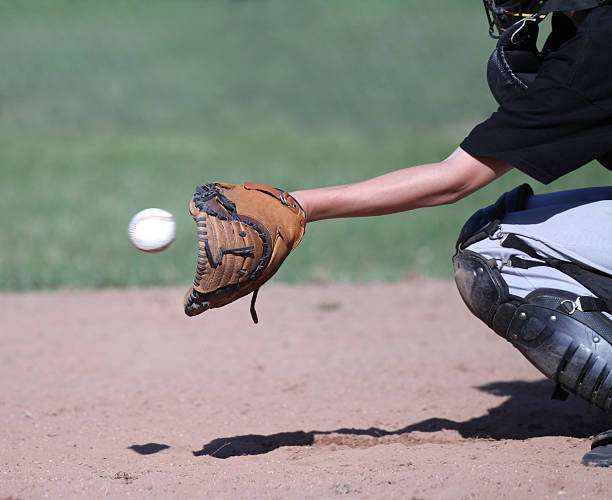
Baseball is a sport where the pressure is concentrated on a few key players, with the catcher bearing the brunt. Pitchers may lose their way due to shaky control, defenders may make mistakes, and coaches may frantically adjust tactics, but the catcher must remain calm amidst all this chaos. He is the only one on the field who is always facing the team, and the baseball glove is the symbol of “catching the pressure.”
In many team cultures, the baseball glove signifies much more than its practical use. It represents responsibility, a duty that no one else can replace. When a pitcher throws a wild pitch or a batter hits a powerful swish, the catcher needs to use the glove to protect their teammate from disaster. When the game is tense, the catcher must use the glove to maintain rhythm and catch every turbulent moment.
Therefore, the baseball glove has grown into a cultural symbol, representing the courage to bear pressure. When many young catchers join a team, the most important first lesson is not skills, but learning this spirit: to use the glove to receive the trust of their teammates and to use the glove to shield the team’s anxieties.
Chapter 2: The baseball glove is a “legacy” that continues across generations.
Baseball culture deeply values inheritance. From jersey numbers to bat engravings, from coaches’ verbal traditions to pre-game ceremonies, baseball is full of symbols passed down through generations. And the baseball glove is one of the most significant relics of this heritage.
Many teams pass their head catcher’s old glove to their second catcher, allowing them to take over the role at some point. This passing of the torch is not just a transfer of equipment, but also a handover of beliefs and spirit. The old glove carries wear and tear, stories, and countless memories of pitching and catching cooperation, as well as the perseverance, resilience, and habits of the previous catcher. Taking it on means assuming the responsibility for the next stage.
In professional baseball teams, some catchers even keep their gloves as a legacy for ten or twenty years, displaying them in the locker room or training room to help newcomers understand the weight of the catcher’s position. In high school and college baseball, glove inheritance is more often part of the team culture, symbolizing the continuation of the main catcher’s status.
A baseball glove carries not only personal experience, but also the passage of time for a team, the accumulation of seasons, and the passing on of a spiritual value.
Chapter 3: Baseball Glove is a “Trustworthy Contract”
The relationship between the pitcher and catcher is one of the most unique interpersonal connections on the baseball field. The two must reach a tacit understanding in a very short time, communicating through gestures, eye contact, breathing rhythms, and even positioning habits. The baseball glove is the sole embodiment of this trust agreement, the symbolic core of their cooperation.
This contract is built on the catcher’s belief that he can catch any pitch the pitcher throws. Whether it’s a 95 mph fastball, a sharp forkball, a changeup at an unusual angle, or a wild pitch that’s extremely difficult to catch, the catcher must make the pitcher feel secure with his glove. The pitcher knows that as long as the baseball glove is there, he can throw the pitch with confidence.
Therefore, the baseball glove has become a cultural symbol, a sign of trust, a source of reassurance for the pitcher, and the foundation of their communication. Many pitchers, after a game, will gently pat the baseball glove instead of the catcher’s shoulder; this is an affirmation of the glove’s symbolism and an expression of their tacit understanding.
From a cultural perspective, this is a profound symbol in baseball life: baseball glove is a transparent yet solid contract, not a written agreement, but a real belief.
Chapter 4: Baseball Glove is a symbol of the spirit of “protecting teammates”.
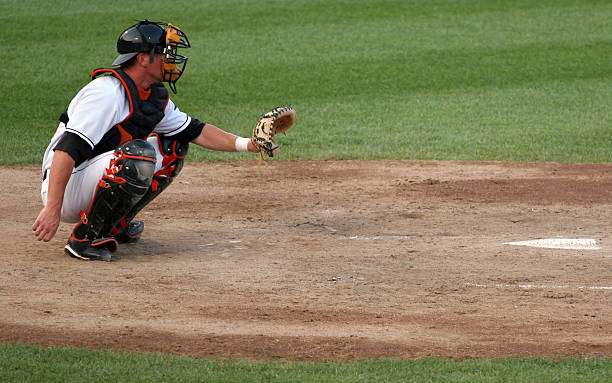
Catchers not only catch the ball, but they also screen, shut out, protect batters, maintain pitcher rhythm, and safeguard the infield defense. They are the players on the field most in need of “protective actions.” And baseball glove is the tangible symbol of this protective spirit.
When a pitcher throws a fastball that goes off course, the catcher must step forward and extend their glove to the most dangerous position to protect the umpire and prevent accidental injury. When a batter swings and misses or the bat breaks, the catcher is also the first line of defense to protect teammates and the umpire. When home plate is up for play, the catcher not only uses their body to block the runner but also uses their glove to protect themselves from being knocked down.
This constant act of reaching out to protect makes the baseball glove a symbol: a defensive wall behind the team, a shield that silently protects teammates.
Many catchers view the glove as the most important piece of protective gear; it’s not just a tool, but also a symbol of team safety. Team culture often emphasizes the catcher’s responsibility to “defend home plate,” and the glove is the symbol of that responsibility. This symbolic spirit reinforces the importance of the baseball glove as a cultural icon.
Chapter 5: The baseball glove is an “invisible badge of leadership.”
There are two types of leaders on the baseball field: the explicit captain and the implicit catcher. The catcher doesn’t always wear the captain’s armband, but every moment he controls the rhythm of the game, guides the team’s mindset, and stabilizes the pitchers’ emotions. The baseball glove is like an invisible badge, a concrete symbol of his leadership.
The catcher uses the height, angle, and rhythm of their glove to direct the pitcher and influence the infield defensive setup. They use the rhythm of catching the ball to affect the game’s pace, the presentation of the catch to guide the umpire’s focus, and the glove’s position to stabilize the game. The catcher’s leadership isn’t based on shouting, but on the silent messages conveyed through their glove.
In baseball culture, the catcher is often seen as the brain behind the team, and the glove is the most intuitive external symbol of this brain. Many teams even believe that the baseball glove is the switch for team spirit; as soon as the catcher puts his hand into the glove, the game enters an orderly state.
Gloves have become a symbol of leadership, a cultural phenomenon naturally formed by the catcher position, which makes their significance far exceed that of ordinary equipment.
Chapter 6, “Baseball Glove,” connects memories, pain, and glory; it serves as the team’s “spiritual archive.”
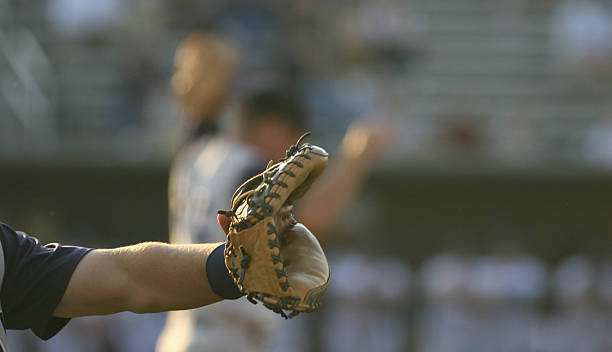
Baseball gloves aren’t easily replaced. A glove might accompany a catcher for five, ten, or even more years, enduring wild pitches, successful catches, countless grazes on the ball, inside fastballs, wet balls, cold winds, and the fatigue of long games. Every mark on the glove isn’t damage, but a story.
When a team experiences a losing streak, makes the playoffs, pulls off a comeback, or welcomes new talent, these moments are often etched into the baseball glove . Like a team’s spiritual archive, it preserves memories that represent the team’s growth.
Many catchers treasure their old gloves because they symbolize the setbacks, lessons learned, and glories they’ve experienced. They remember which game a ball tore a part of the glove in, which game they raised the glove high after a crucial strikeout, and which pitcher regained their form by relying on that glove.
This cultural symbol makes baseball glove part of the team’s collective memory, not just belonging to the catcher, but a shared emotional asset of the entire team.
Chapter 7: Baseball Glove Represents Faith: Dedication to the Game, Teammates, and Position
Many catchers write small phrases in their gloves, such as “Stay tough,” “Own the plate,” and “Trust the process.” These aren’t for show; they’re reminders of their own beliefs. Catchers must remain calm amidst countless fastballs, intense offense and defense, and mental pressure, and the glove is the core item that helps them maintain their faith.
For some catchers, the glove is a symbol of their faith in baseball. It reminds them why they are in this position and gives them a reason to persevere in times of crisis. At the team culture level, the glove is also a manifestation of a collective belief—the whole team must believe in the catcher, believe that the glove will catch the most crucial pitch, and believe that home plate will be secured because of the catcher.
The baseball glove has thus become a spiritual totem, symbolizing professionalism, sporting values, team spirit, resilience, and respect for the game. Baseball culture has thus imbued the baseball glove with an almost religious depth, making it the core symbol of a team’s spirit.
Conclusion
From bearing pressure to symbolizing trust, from generational inheritance to protecting teammates, from leadership badges to spiritual archives, and even totem of faith, the baseball glove carries the deepest cultural significance of the team. It is the most tangible, yet most easily overlooked, embodiment of the baseball spirit.
Baseball glove teaches us that baseball is not a sport based on numbers and strategies, but a connection of beliefs between people; the catcher is not just a player who simply catches the ball, but a guardian of team spirit. And that glove is the physical core of all this spirit.