3 key factors in choosing a baseball glove: how they affect release time and game pace

How baseball glove affect the pace of the game
In baseball, the catcher is one of the core elements of the team’s defense. Besides catching the pitcher’s ball, the catcher needs to quickly judge the ball’s trajectory, anticipate the batter’s intentions, and react swiftly. The baseball glove is not only a tool for catching the ball, but it also plays a crucial role in controlling the game’s tempo. Choosing the right baseball glove can significantly impact the catcher’s release time, reaction speed, and the overall pace of the game. Factors such as glove design, comfort, and materials can all have a profound influence on the catcher’s performance, thus affecting the rhythm of the entire game.
This article will explore the three key factors that influence baseball glove selection and analyze how they can improve the pace of the game by optimizing the catcher’s release time and reaction speed, thereby helping the team gain an advantage in the game.
I. Glove Design and Adaptability: How they affect the catcher’s reaction speed
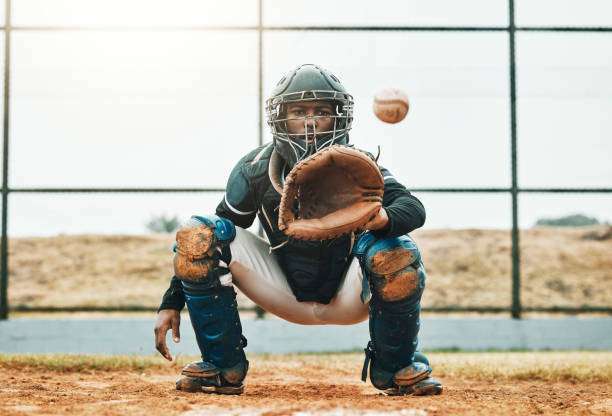
A baseball glove is a crucial factor affecting release time. One of the catcher’s primary responsibilities is to catch the pitcher’s ball quickly and accurately; therefore, the glove’s fit and comfort directly impact the catcher’s reaction speed. Catchers face high-speed pitches during a game, and the speed of their release often determines whether they can successfully catch the ball, thus affecting the game’s rhythm.
First and foremost, a proper glove fit is crucial. Gloves that are too loose or too tight will impair the catcher’s finger dexterity, leading to slower reactions. Modern baseball gloves are custom-designed to fit the catcher’s hand shape, ensuring comfort when catching the ball. A well-designed glove improves the catcher’s agility when catching the ball, reducing release delay. This allows the catcher to accurately catch the incoming ball immediately, react quickly, and prepare for the next move.
In addition, the weight of the glove is also a key factor in the design. An overly heavy glove can delay the catcher’s movements after catching the ball, affecting their ability to quickly transition to a throwing or batting stance. Conversely, a lightweight glove allows the catcher to make faster transitions, shorten release time, and thus control the pace of the game.
II. Glove Materials and Durability: How they affect glove stability and safety
Besides design, the material and durability of the catcher’s glove also affect the pace of the game. The catcher’s glove needs to withstand the impact of high-speed balls, frequent catching actions, and long-term use, so the choice of glove material directly determines its stability and durability.
Baseball glove on the market are made of high-grade cowhide or synthetic leather, which offer good elasticity and durability. High-quality leather ensures the glove’s stability during use, allowing catchers to better absorb the impact of the ball and reduce hand fatigue. At the same time, the softness of leather allows the glove to maintain its original performance after prolonged use, preventing deformation or damage.
However, glove materials are not just about durability; the texture and comfort of the material also affect the catcher’s performance. For example, some gloves use special lining materials to increase comfort, preventing discomfort during extended wear. This combination of comfort and protection allows the catcher to maintain stability throughout the game, reducing reaction time slowed by discomfort and thus minimizing disruption to the game’s rhythm.
III. Glove flexibility and comfort: How to optimize hand release time
Flexibility and comfort are another key factor affecting baseball glove performance. When the catcher catches the ball, the glove’s flexibility directly determines whether the catcher can quickly grasp the ball’s trajectory, reducing hand delays. Furthermore, comfort also affects the catcher’s sustained focus and performance during the game. If the glove is unsuitable or uncomfortable, the catcher may miss crucial catch opportunities due to discomfort, affecting the game’s rhythm.
Modern baseball glove designs increasingly emphasize a balance between flexibility and comfort. The knuckles utilize specially crafted, soft leather and reinforced design, allowing the catcher freedom of movement to maintain close contact when catching the ball while quickly transitioning to other actions after receiving it. The finger seams and palm areas are also typically specially designed to ensure maximum flexibility.
Improved comfort comes not only from optimized materials and design but also from improved glove lining and breathability. Catchers’ hands tend to sweat when wearing gloves for extended periods, making the selection of a highly breathable glove crucial. Modern catcher gloves utilize breathable mesh designs and moisture-wicking materials, effectively reducing discomfort caused by sweaty hands, helping catchers maintain efficient reaction times, and further enhancing control of the game’s tempo.
IV. How Glove Choice Affects the Pace of the Game
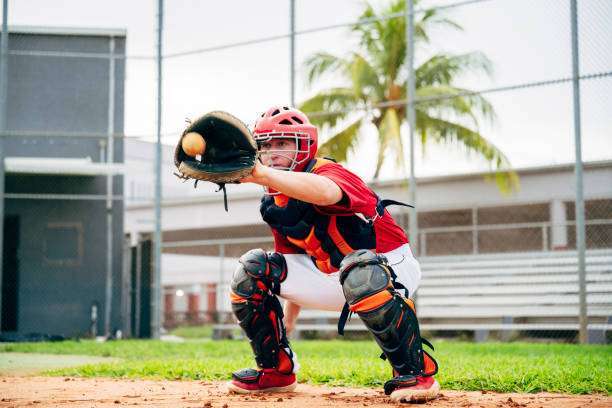
In a game, the coordination between the catcher and the pitcher is crucial. The catcher’s release speed and reaction time directly affect the pitching rhythm and the course of the game. Choosing a suitable baseball glove can help the catcher better control the pace of the game, optimize reaction time, and help the pitcher maintain an efficient pitching rhythm, thus influencing the overall outcome of the game.
For example, when catchers wear a suitable glove, they can quickly throw the ball to the pitcher after catching it, maintaining the pitching rhythm. Every second of delay can alter the pace of the game, affecting the pitcher’s mindset and performance. Quick and accurate throwing not only helps control the pitcher’s rhythm but also allows for rapid distribution of the ball to other positions on the field, thus controlling the game’s tempo.
Furthermore, the catcher’s fluidity and speed directly impact the pitcher’s confidence. In crucial situations, a catcher’s quick and accurate catch and subsequent movement can alleviate the pitcher’s pressure and enhance team chemistry and trust. By choosing a suitable glove, the catcher can execute actions more rapidly, ensuring the game’s pace remains optimal.
Conclusion
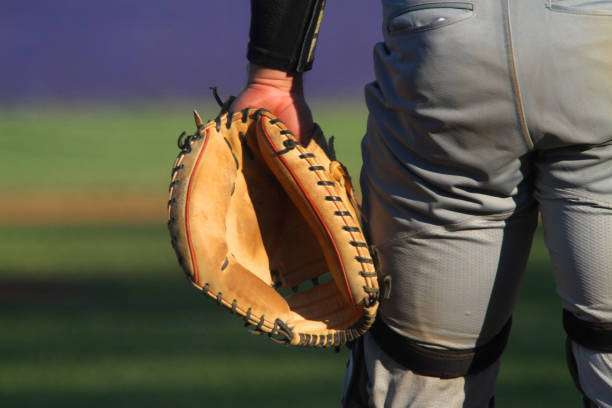
A baseball glove is more than just about comfort and protection; its role in a game goes far beyond what you might imagine. Through optimization in design, materials, flexibility, and comfort, a baseball glove can significantly influence a catcher’s release time and reaction speed, thus affecting the pace of the game. Understanding these factors and accurately selecting a suitable glove is a crucial task that every catcher needs to carefully consider.
In the future, with continuous advancements in technology and design, baseball gloves will become more adaptable to the needs of different catchers, helping them perform at a higher level and control the rhythm of the game. In every game, with every throw, the seamless coordination between the catcher and the glove will be crucial in influencing the outcome.