Baseball Glove: Building Teamwork—7 Details That Determine Your Trust Level with Your Pitcher

Good teamwork isn’t achieved overnight; it’s built gradually through meticulous training, long-term practice, and a deep understanding of glove performance. In this article, we’ll delve into seven key details that are indispensable in building teamwork in baseball glove, revealing how a glove can become an extension of trust and reaction on the court.
baseball glove: comfort and psychological trust
A baseball glove is fundamental to building chemistry. The right glove size, the fit of the back of the hand, and finger dexterity directly impact a catcher’s confidence when facing high-speed balls. A comfortable baseball glove allows the catcher to make quick judgments upon catching the ball, preventing hesitation due to discomfort. Psychological research shows that when a catcher has sufficient trust in their glove, their attention is more focused on the pitcher’s movements and the ball’s trajectory, rather than being distracted by the uncertainty caused by the glove. This accumulation of confidence is key to developing chemistry between the catcher and pitcher in long-term cooperation.
Meanwhile, the flexibility and weight distribution of a baseball glove also significantly impact the adaptability of the catcher’s hand muscles. A glove that is too heavy or too stiff can cause the catcher to move slowly in the face of high-speed balls, thus affecting the catcher’s quick reaction to the pitcher’s intentions. Top catchers will adjust the tightness and shape of their gloves multiple times in training to ensure that every catching motion is naturally integrated with their body, forming a psychological adaptation to the pitcher’s pitching rhythm.

Reading the pitcher’s intentions through catching depth
The depth of the baseball glove not only affects the stability of the ball but also the catcher’s ability to interpret the pitcher’s intentions. A deep glove provides greater cushioning as the high-speed ball enters the glove, giving the catcher time to read the ball’s spin and landing point, thus determining the pitcher’s strategic intent. A shallow baseball glove is more conducive to quick throwing and release, but it is more difficult to control high-speed balls. Therefore, when choosing a glove, the catcher must adjust it according to the pitcher’s style and the team’s tactics to ensure that the baseball glove both guarantees safe catching and helps the catcher quickly understand the pitcher’s intentions.
In actual gameplay, catchers can glean a wealth of subtle information from the feel of the ball through their gloves. For example, the spin of the ball in the baseball glove and the sound of it hitting the ground are crucial for catchers to judge the type of pitch and its trajectory. This chain of tactile information established through the gloves is a vital foundation for the catcher and pitcher to develop a tacit understanding.
Material flexibility and motion continuity
the baseball glove material directly affects the catcher’s fluidity of movement. Flexible leather or composite materials can naturally contract upon catching the ball, while allowing the fingers to quickly adjust the ball’s position. This material characteristic not only improves the catcher’s reaction speed but also gives the pitcher more confidence when throwing, as the baseball glove can accurately catch the ball without bouncing or deviating.
Modern high-end baseball gloves typically utilize lightweight composite materials and high-performance leather, balancing durability and flexibility. The elasticity and shock absorption of the materials mitigate the impact of high-speed balls on the hand, allowing catchers to maintain stable movements during continuous games. Catchers gradually become familiar with the elasticity and feel of the baseball glove during training , developing muscle memory that makes glove movements almost a natural extension of the body, further strengthening the trust relationship with the pitcher.

Baseball glove integration and psychological compatibility
Each glove has its unique feel and rebound characteristics, and new gloves need a break-in period to reach their optimal performance. During this break-in period, catchers need to constantly handle balls of varying speeds and spins to familiarize themselves with the glove’s feel and power transfer. This is not only a physical adaptation but also a psychological one. During the break-in period, catchers build trust in the glove, enabling them to make decisive moves without hesitation against high-speed balls.
Psychological fit also includes the catcher’s perception of glove stability. If a catcher experiences frequent pitch deviations or glove slippage during training, their psychological trust will be affected, thus delaying their reaction speed. A glove that has been systematically practiced allows the catcher to focus entirely on the pitcher’s movements and pitch trajectory judgment on the field, naturally improving their teamwork.
Glove adjustment and personalized fit
baseball gloves based on their hand shape and pitcher characteristics . Adjustments to details such as glove tightness, knuckle support, and palm thickness can significantly improve catching accuracy and reaction speed. This personalized adjustment not only enhances technical performance but also strengthens the catcher’s psychological sense of security, allowing the pitcher to feel the catcher’s reliability when throwing the ball.
Personalized adaptation also includes adjustments for different game environments. For example, in slippery rainy or cold conditions, the grip and feel of the glove may change, and the catcher will adjust the thickness of the inner layer of the glove or use specific glove protection materials in advance to ensure smooth movements. Long-term personalized adjustments and training enable the catcher and glove to form a highly integrated operating system, thus maintaining seamless synergy with the pitcher on the field.
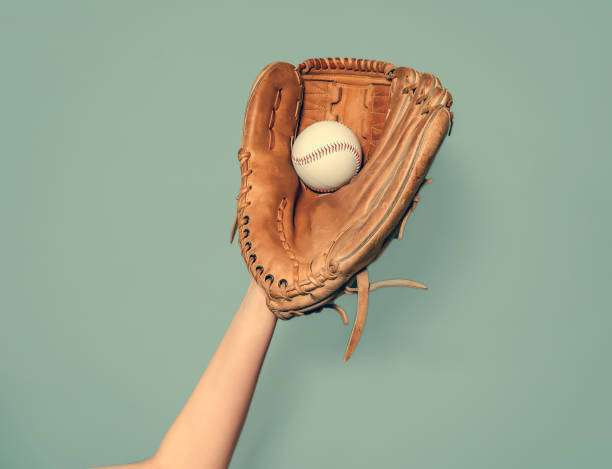
Tactile signals used by catchers and pitchers to communicate
The baseball glove is not only a tool for catching the ball but also a tactile communication medium between the catcher and the pitcher. During the game, the catcher uses the glove to feel the ball’s spin, landing point, and speed changes, providing immediate feedback to the pitcher’s intentions. This tactile signal helps the catcher quickly adjust the glove position before the next pitch, and even convey tactical information to the pitcher through the baseball glove action, such as whether to accelerate or change the pitching strategy.
The accuracy of tactile communication depends on the material and design of the baseball glove , as well as the catcher’s skill. Catchers develop a sensitivity to the feel of the glove through long-term training, making the glove an extension of the pitcher’s throw. This tacit understanding is reflected not only in catching the ball but also in the real-time control of the game’s rhythm and the pitcher’s mental state.
Experience accumulation and tacit understanding consolidation
Finally, the role of baseball gloves in building chemistry relies on the accumulation of time and experience. Catchers and pitchers who work together for a long time develop a unique operational language through baseball gloves during games and training . Every pitch and every catch deepens this chemistry. The glove becomes a carrier of experience for both players, helping the catcher quickly read the pitcher’s intentions, allowing the pitcher to perform with greater confidence.
This accumulation of experience not only improves technical performance but also strengthens psychological trust. The catcher’s and pitcher’s familiarity with the glove’s performance allows both sides to maintain stable performance under high-speed pitches and high-pressure situations, achieving optimal control of the game’s pace.
Summarize
The baseball glove plays a role in building chemistry far beyond its function as a catching tool. Seven key details—comfort, catcher’s hole design, material flexibility, break-in period, personalized adjustments, tactile communication, and experience accumulation—collectively determine the level of trust between the catcher and pitcher. The meticulous design and long-term integration of the baseball glove are indispensable supports for top catchers’ mastery of the game. Understanding and mastering these details not only improves the catcher’s catching ability but also strengthens the bond with the pitcher, leading to a higher defensive win rate for the team.