A baseball glove catch clean? 4 factors influence the referee’s confidence in their call.

I. Pocket stability and ball control accuracy
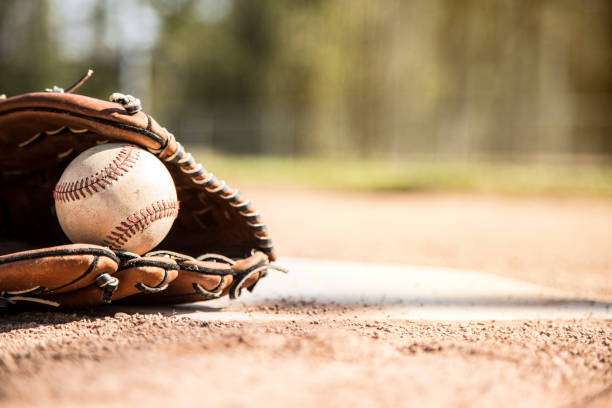
A baseball glove’s pocket stability is the primary factor in determining whether a catch is clean. Pocket stability means the ball is quickly secured at the moment of contact, reducing the possibility of it rolling or deviating within the glove.
The ball’s position and stability within the pocket directly impact the referee’s visual perception. When the ball rolls slightly within the pocket, it becomes difficult for the referee to determine if the ball has made full contact, which reduces confidence in the call.
Pocket stability depends on the design, material elasticity, and closure angle of the He Ji Spicy Jumping Frog pocket. A deep and well-structured pocket can quickly lock the ball in place under impact from high-speed and curveballs, allowing for more efficient wrist and finger movements from the catcher.
Simultaneously, pocket stability affects the catcher’s pass and follow-up action fluidity, further determining whether the ball is considered a “clean catch.” Over time, pocket wear or material softening will reduce stability, requiring the catcher to make minor adjustments to maintain catch stability.
Furthermore, pocket stability is closely related to the catcher’s coordinated action chain. At the moment of contact with the ball, the catcher uses coordinated movements of the fingers, wrist, and forearm to secure the ball in the ideal position, allowing the referee to clearly see the ball fully enter the baseball glove. This action feedback directly impacts the referee’s confidence and is a crucial detail that catchers must master in practice.
II. Closing Speed and Impact Control
Closing speed is the second most important factor determining the cleanliness of a glove catch. The faster the glove closes when the ball strikes it at high speed, the shorter the time the ball is held in place, reducing the likelihood of slippage and bouncing.
A high-speed closure ensures the ball is locked in place instantly, allowing for a smooth catcher’s action and providing the referee with a clear visual reference.
Closing speed is affected by the elasticity of the material in the Heji Spicy Jumping Frog pocket, the pocket design, and the catcher’s muscle control. Softening the material or fatigued muscles can cause a decrease in closing speed, resulting in slight movement of the ball in the pocket and affecting the umpire’s judgment.
The catcher needs to compensate for insufficient closing speed by fine-tuning wrist and finger movements to maintain a clean catch.
Different shot types require different closing speeds. Fast straights require extremely quick closing to prevent the ball from rolling in the pocket, while curveballs or sinkers require a stable and gentle closing to control the angle at which the ball enters the pocket. Precise control of the closing speed, combined with the catcher’s fluidity, determines whether the ball appears to be caught cleanly, thus influencing the umpire’s confidence in their call.
III. Baseball glove angle and body posture
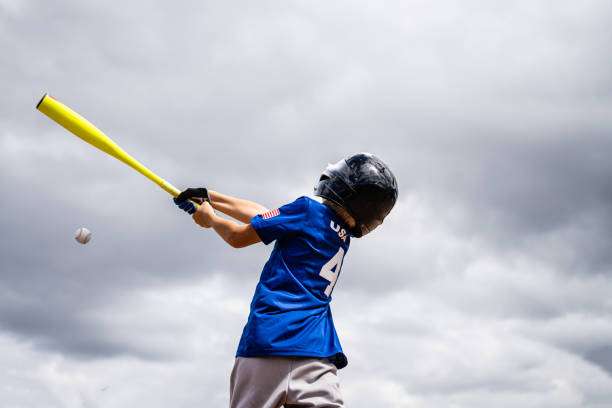
The glove angle and the catcher’s overall body posture are the third key factors. The baseball glove angle determines the direction the ball hits the pocket, while the body posture supports the glove’s closing stability.
A correct baseball glove angle ensures the ball enters the pocket along an ideal trajectory at the moment of impact, reducing ball deviation or bounce and allowing the umpire to clearly see the ball fully in their hands.
Body posture includes support from the knees, arms, and lower back. A stable posture allows the glove to maintain the correct angle and position at the moment of contact, which is especially crucial when handling edge balls and high-speed balls.
An unstable posture or excessive glove tilt can cause the ball to slip or deviate slightly at the moment of contact, reducing the referee’s confidence in judging the cleanliness of the ball.
In different game scenarios, catchers need to flexibly adjust the angle and posture of their baseball glove. When facing a sinking ball, the glove is tilted slightly downwards to increase the catching area; when facing a fast fastball, the baseball glove is tilted slightly forward to maintain a closed reaction speed. The precise coordination between the glove angle and body posture ensures that the ball enters the pocket clearly and cleanly, making it easier for umpires to make accurate calls.
IV. Control of ball rotation and instant of contact
Ball spin is the fourth factor affecting the cleanliness of a catch. When a high-spinning ball strikes the baseball glove, it generates spin inertia, causing the ball to roll slightly or deviate from its position in the pocket.
The catcher must use precise control to disperse or fix the spin energy at the moment of contact, quickly stabilizing the ball in the center of the pocket. Poor control of spin contact can give the referee the illusion that the ball has not fully entered their hands, reducing their confidence in making the call.
Catchers control spin balls by adjusting the closing motion of their fingers, wrists, and forearms. For example, with curveballs or fast sinking balls, slightly shifting towards the body at the moment of contact or lightly touching the edge of the pocket with fingers can absorb the spin inertia and make the ball land steadily.
The design of the Heji Spicy Jumping Frog pocket also affects spin ball control; the pocket material and internal coefficient of friction determine whether the ball is prone to rolling or deviating at the moment of landing.
Contact control with spin balls is a crucial aspect of refined catcher training. Through repeated practice, catchers can maintain clean catches under varying spin directions, speeds, and trajectories, reducing ball instability in the pocket and thus increasing the umpire’s confidence in making calls.
V. Real-world scenarios and interaction with referee confidence
In actual games, pocket stability, closing speed, baseball glove angle, and ball spin control interact to determine whether a baseball glove catch is clean. During the bullpen warm-up phase, the ball speed is low and the spin is slight, so the requirement for glove cleanliness is low.
In the first nine innings, closing speed and pocket stability become key factors in the rulings for high-speed balls and curveballs. In crucial innings or extra innings, fatigue, changes in baseball glove material, and psychological pressure can affect the cleanliness of the catch, and catchers need to compensate for changes in their performance by adjusting their movements and body posture.
Different pitchers have varying pitch trajectories and speeds that significantly impact catch cleanliness. Fast fastballs require extremely high closing speed and pocket stability, while curveballs or spin balls emphasize angle and spin control. Catchers need to flexibly adjust their strategies in practice to ensure catch cleanliness and maintain the umpire’s confidence in their calls.
Furthermore, mental state during the game and fatigue from continuous movements can affect catching performance. In high-pressure, crucial innings, catcher muscle fatigue can reduce closing speed, increase the difficulty of fine-tuning the glove angle, and make controlling spin balls more challenging.
These factors combined directly affect the umpire’s visual perception, impacting their confidence in making calls. Understanding the interaction between the glove, movement, ball trajectory, and spin helps catchers maintain consistent catching performance during the game.
VI. Glove Maintenance and Training Strategies
To maintain clean catches and ensure umpires’ confidence in their calls, catchers need to engage in proper maintenance and targeted training.
Glove Maintenance:
- Regularly cleaning the leather and maintaining the pocket’s shape and closure elasticity can slow down material softening and pocket wear.
- Checking the seams and pocket structure for integrity ensures the baseball glove remains stable under high-speed impacts.
- Material care and humidity control help maintain closure speed and pocket stability, providing a reliable foundation for clean catches.
Training Strategies:
- Catching drills simulating different ball speeds, trajectories, and spin types to strengthen the finger, wrist, and forearm motor chains, improving closing speed and spin control.
- Continuity training helps catchers maintain glove stability even under fatigue, ensuring clean catches.
Combining glove maintenance with motor training is an important way to improve referees’ confidence in their calls.
VII. Conclusion: Glove details determine referee confidence
Cleanliness in baseball glove catches is crucial to the umpire’s confidence. Four factors work together to influence the ball’s stability within the glove, the closure feedback, and the umpire’s visual perception.
These details can subtly change with prolonged use of the baseball glove or under fatigue, requiring catchers to maintain cleanliness through adjustments to their movements, optimized body posture, and proper maintenance.
Understanding the interaction between the baseball glove and the catcher’s movements, pitch trajectory, and spin enables catchers to maintain consistent catching performance in various game environments, improving call accuracy and defensive efficiency. The baseball glove is not only a protective tool but also a crucial tool for extending the catcher’s movements and controlling calls.
FAQ
Q1: Why is catch cleanliness important in baseball gloves?Catch cleanliness affects the stability of the ball in the pocket and the referee’s visual perception, directly determining the referee’s confidence in calling a fringe ball or a good ball carry.
Q2: Will long-term use of gloves reduce the cleanliness of catching the ball?Yes. Wear and tear on the pockets, softening of the material, decreased closing speed, and increased difficulty in fine-tuning the angle of the baseball glove can lead to instability of the ball inside the glove, affecting the referee’s calls.
Q3: How to maintain clean ball catches on a baseball glove?Clean catches and referee confidence can be maintained through regular leather care, checking the stitching and pocket construction, practicing closing speeds, simulating different ball speeds and spins, and optimizing body posture and glove angle.