Baseball Gloves: Thicker Isn’t Always Safer – The True Logic of 4-Layer Impact Absorption
I. Misconceptions about Baseball Glove Thickness and Impact Perception
Many people believe that thicker baseball gloves are safer, but in reality, thickness is not the only factor determining protection. Overly thick gloves may provide a false sense of security, but they can have negative side effects on impact absorption and wrist movement control.
Increased glove thickness increases pocket depth and padding, but it also alters closing speed, wrist feedback, and ball stability, reducing the catcher’s fluidity of motion. When handling high-speed fastballs or breaking balls, overly thick gloves can cause the ball to shift in the pocket, affecting the cleanliness of the catch and the efficiency of the throw.
Impact perception is not solely determined by thickness, but rather by the combined result of the baseball glove’s internal structure, material composition, and the catcher’s movement control. The catcher’s ability to perceive the ball at the moment of impact is crucial for ensuring a clean catch and efficient throwing motion.
Overly thick gloves can reduce the sensitivity of the fingers to ball impact, making it difficult for the catcher to accurately judge the ball’s entry point. This increases the risk of the ball shifting or bouncing off, thus negatively impacting safety in actual play.
II. Analysis of the Four-Layer Impact Absorption Structure
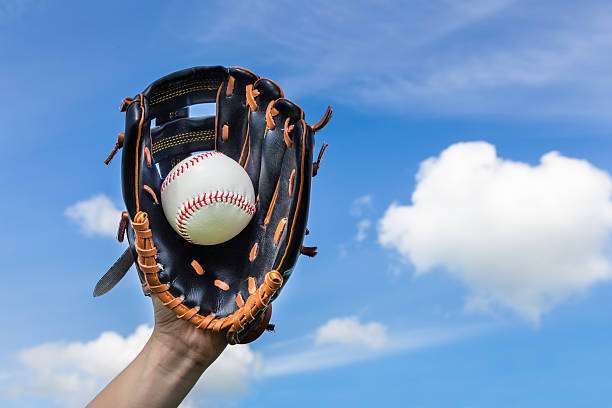
Modern baseball gloves utilize a layered structure design, achieving efficient protection through four layers of impact absorption while maintaining flexibility of movement.
First Layer: Outer Leather
The first layer is typically the outer leather, providing wear resistance and initial impact cushioning. The thickness and toughness of the leather determine the initial dispersion of energy when the ball hits the glove, ensuring that the hand is not injured by high-speed impacts.
While thicker leather increases initial protection, it reduces the glove’s closing speed and ball contact feedback, potentially causing delays in the catcher’s movements.
Second Layer: Pocket Padding
The second layer is the pocket padding, primarily responsible for absorbing and dispersing energy after the ball impact. High-density padding effectively reduces the impact force transmitted to the wrist and forearm.
However, if the pocket padding is too thick or too hard, it will make it difficult for the catcher to adjust their finger closing movements when handling breaking balls or curveballs, increasing the probability of the ball shifting. The balance between the thickness and softness of the pocket padding is crucial for maintaining both protection and flexibility of movement.
Third Layer: Backhand Protection Layer
The third layer is the backhand protection layer, usually composed of lightweight foam or multi-layer composite materials. It is used to prevent injuries from high-speed ball rebounds or backhand impacts.
The elasticity and thickness of the back of the glove determine its ability to cushion impact forces when the wrist angle is less than ideal. If too thick, it may restrict wrist freedom of movement, slowing down the catcher’s ability to close the baseball glove and affecting the cleanliness of the catch.
Fourth Layer: Inner Palm Padding and Finger Stall Area
The fourth layer is the inner palm padding and finger stall area, used to disperse the energy of impacts to the palm and fingers. This layer’s material typically balances flexibility and energy absorption, allowing the catcher to maintain stable movements during continuous high-speed ball handling, reducing fatigue and the risk of injury.
With a properly designed inner padding, the catcher can accurately perceive the ball’s entry into the glove while ensuring the speed of closure and the continuity of the throwing motion. Overly thick inner padding may increase the distance between the palm and the ball, reducing touch accuracy and affecting the umpire’s perception and practical protection.
III. The Impact of Thickness on Motion Control
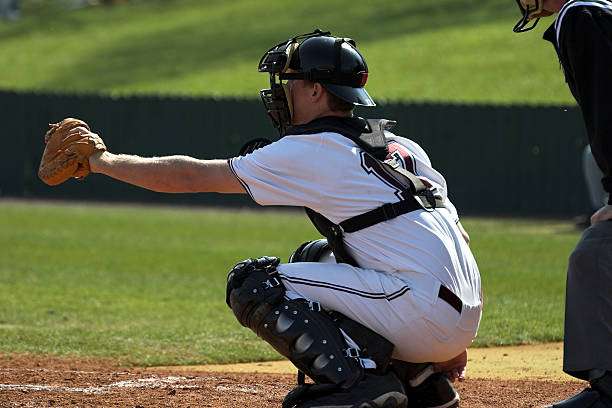
Baseball glove thickness directly affects closure speed, wrist feedback, and ball stability. Thick baseball gloves have an advantage in energy absorption, but they increase the load on the wrist and forearm, reducing movement speed.
In actual play, under high-speed pitches and continuous ball trajectories, reduced closure speed can cause the ball to slightly roll or shift in the pocket, reducing the cleanliness of the catch. Limited motion control can also affect the umpire’s perception and even cause the catcher to miss throwing opportunities.
Thin baseball gloves provide higher motion sensitivity and closure speed, allowing the catcher to quickly adjust their fingers and wrists to handle spinning balls and pitches on the edge of the strike zone. However, thin gloves require higher material performance for impact absorption, necessitating optimization through multi-layer structures to ensure hand safety.
Baseball glove thickness is not an absolute safety indicator, but rather needs to be considered in conjunction with the internal material layout, movement requirements, and ball speed.
When choosing baseball glove thickness, catchers need to balance protection and motion continuity. Overly thick gloves, while initially offering strong protection, may increase ball deflection, reduce closure speed, and decrease throwing efficiency; overly thin gloves, while offering greater flexibility, may increase the risk of hand injury under high-speed impacts. Through a four-layer impact absorption design, a balance between protection and motion efficiency can be achieved with appropriate thickness.

IV. Thickness Trade-offs in Actual Play
In games, glove thickness has a significant impact on different ball speeds, trajectories, and situations. When facing high-speed fastballs, moderate thickness and reasonable padding distribution effectively protect the hands and maintain closing speed.
However, against curveballs or breaking balls, overly thick gloves may affect fine finger movements, increasing ball deflection and the perceived inconsistency of calls. In crucial innings or extra innings, the relationship between baseball glove thickness and fatigue accumulation becomes more significant.
Thicker baseball gloves increase the load on the wrist and forearm, making it more strenuous to handle consecutive high-speed pitches, requiring catchers to compensate through movement adjustments and optimized body posture.
The choice of glove thickness is not only related to ball speed but also closely matched to the catcher’s movement habits and hand strength. Catchers with sufficient strength and skilled movements can choose slightly thicker gloves to improve protection.
Catchers who are agile or emphasize quick closing are suitable for baseball gloves with moderate thickness and a reasonable four-layer structure. In actual play, the balance of thickness determines the catcher’s movement efficiency, clean catching, and the perceived consistency of calls.
V. The Logic of Four-Layer Structure Protection Efficiency
The four-layer impact absorption logic considers not only the dispersion of impact energy but also emphasizes movement continuity and wrist feedback. Each layer has a unique function:
- The outer leather absorbs initial impact energy.
- The pocket padding disperses the impact force of the ball.
- The backhand protection layer cushions rebound and backhand impact.
- The inner padding and finger areas maintain the accuracy of finger and palm contact with the ball.
The four-layer structure works together to allow catchers to maintain stable movements during high-speed pitches, breaking balls, and consecutive pitches, protecting the hands without affecting closing speed.
The design logic of the four-layer structure shows that simply increasing thickness does not improve safety. Reasonable layering, optimized material properties, and matching closing movements are the key to improving baseball glove protection and movement efficiency.
Through training and actual play, catchers can maximize the function of their baseball gloves by mastering the characteristics of the four-layer structure and closing movement techniques, thereby improving safety and the perceived consistency of calls.
VI. Conclusion: The True Relationship Between Thickness and Safety
Baseball gloves are not necessarily safer the thicker they are; thickness is only one factor in the four-layer impact absorption logic. A reasonably designed multi-layer structure achieves a balance between protection and movement efficiency by dispersing impact force, maintaining movement continuity, and preserving closing speed.
Overly thick gloves may increase the difficulty of closing the glove, reduce movement sensitivity and passing efficiency, while a baseball glove with reasonable thickness and layered structure achieves the optimal balance between protection and practical operation.
Understanding the four-layer impact absorption logic helps catchers make scientific decisions when choosing gloves, optimizing movements, and developing training strategies. A baseball glove is not only a protective tool but also a key piece of equipment for extending movement and controlling penalties.
Thickness is only part of the protection; precise structural design and matching the catcher’s movements are the core factors that truly determine hand safety and practical efficiency.
FAQ
Q1: Is a thicker glove necessarily safer?
Not necessarily. An overly thick baseball glove may reduce closing speed and movement sensitivity, affecting ball stability and the cleanliness of the catch. A reasonable thickness combined with a four-layer impact absorption structure is necessary to achieve a balance between protection and movement efficiency.
Q2: What are the specific functions of the four-layer impact absorption structure?
The outer leather provides initial impact cushioning, the pocket padding disperses energy, the backhand protection layer cushions rebound, and the inner padding maintains hand and finger contact precision with the ball. Each layer works together to ensure hand safety and movement continuity.
Q3: How to choose a baseball glove of appropriate thickness?
Choose the thickness based on ball speed, trajectory, catcher’s strength, and movement habits. Catchers with sufficient strength and skilled movements can choose slightly thicker gloves for enhanced protection, while catchers emphasizing quick closing and sensitivity should choose a baseball glove with moderate thickness and a well-designed four-layer structure.
Related Posts

4 Design Truths Behind Baseball Glove Sensitivity: It’s Not About Feel
-
Posted by
Lily Anderson