
Of all baseball positions, the rapport between the catcher and pitcher is the most nuanced. They are not only partners but also pillars of mutual support. Within this rapport, the catcher’s glove often plays a role imperceptible to outsiders. To the untrained eye, the baseball glove is merely a protective and catching tool; but for the pitcher, it is the target, a symbol of rhythm, and an anchor for their mental state on every pitch.
The glove’s design, sound, swing, stability, and even the way the catcher uses it, all trigger a series of psychological reactions in the pitcher. These reactions can either elevate the pitcher’s performance or subtly disrupt their stability, causing their initially composed strategy to be swayed by emotions, pressure, or anxiety.
Baseball is an extremely psychological sport, and the baseball glove , as the pitcher’s most direct “visual communication object,” actually possesses a greater psychological influence than imagined.
This article will use six psychological chain reactions as its main axis to deeply analyze why the baseball glove can implicitly influence a pitcher’s confidence, rhythm, and even game strategy, allowing you to understand why many pitchers, after reaching a certain stage, insist on only partnering with specific catchers; it will also show you how catchers use the glove to create an unseen yet crucial psychological dominance behind the scenes of the game.
I. How the sound of a baseball glove being caught becomes the first signal of a pitcher’s mental stability.
In baseball, the sound of a catcher’s glove is not merely a physical reaction, but a psychological feedback mechanism that directly affects the pitcher’s emotions. After each powerful throw, the pitcher instantly awaits the crisp sound of the ball hitting the ground.
The more consistent and stable this sound, the easier it is for the pitcher to establish a rhythm, as it’s a clear sensory confirmation that “the ball is where it should be.” When a catcher uses a glove with appropriate tension, tight stitching, and a stable palm structure, it produces a short, crisp sound upon catching the ball. Hearing this sound creates a chain reaction of confidence reinforcement for the pitcher, making them believe that their pitch’s speed, spin, and landing point are all within the ideal range.
However, if the baseball glove is worn out, lacks flexibility, or has a misaligned structure, the sound of the catch will become muffled, diffuse, or even irregular. This change in sound can easily cause pitchers to experience mild anxiety, doubting whether there’s something wrong with their pitch, even if the actual pitch trajectory remains consistent. The more doubtful the pitcher is, the more likely their technique will become distorted, leading to further deviations in the pitch’s trajectory.
Professional pitchers are particularly attentive to this landing sound because their sensory system cross-references the sound with the pitching feel. If the two are inconsistent, it creates psychological noise, making it difficult for the pitcher to fully concentrate. Many pitchers can even judge the catcher’s consistency based on the sound of the baseball glove ; if the sound remains diffuse, they will become more cautious or tense, affecting their strategic choices. The sound of the glove is like a psychological heartbeat for the pitcher: stability brings peace, while turbulence breeds anxiety. This chain reaction is often imperceptible to spectators, yet it truly exists during the game.
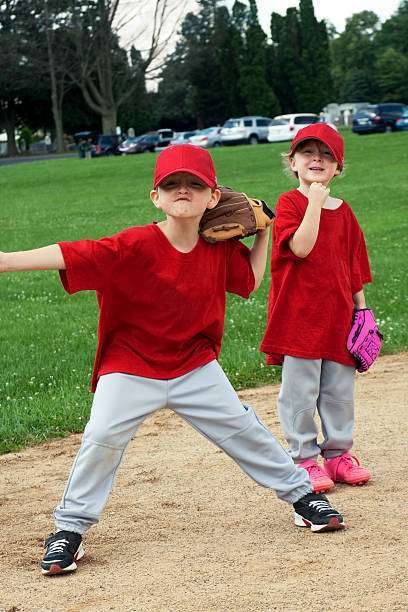
II. How does visual stability in the glove target area affect the pitcher’s release rhythm?
Before releasing the ball, the pitcher focuses intently on the baseball glove , while the catcher holds the glove in front of their chest or knees, using it as the “throwing target.” This position itself provides visual rhythm guidance for the pitcher. The more stable, clear, and consistent the baseball glove is held, the more stable the pitcher’s mindset becomes.
If the catcher can maintain the same height, direction, and angle when setting the target each time, it allows the pitcher to quickly enter the rhythm zone and correctly concentrate their power in each throw. This visual stability creates a kind of “mental lock-on,” allowing the pitcher to execute the throwing motion without distraction.
However, if the catcher frequently makes subtle movements when raising their glove, with inconsistent height and angle, it creates visual uncertainty for the pitcher, affecting their timing. Every time the pitcher sees the target move slightly, they must readjust their release point, and this repeated fine-tuning depletes mental energy, leading to fatigue. A baseball glove that is too large or too soft can also result in a rounded, indistinct visual effect, making it difficult for the pitcher to pinpoint the exact landing point.
Over time, the pitcher may begin to hesitate, become indecisive, or even change their strategy to avoid errors. These changes may seem minor, but they accumulate over time and ultimately affect the rhythm of the entire game. The baseball glove is not only for catching the ball but also serves as the pitcher’s visual anchor; its stability directly impacts the pitcher’s concentration.
Third, the glove-closing action is a signal language in the pitcher’s eyes, which will change the choice of strategy.
The way a catcher closes their glove after catching the ball is a silent language. Pitchers can often sense from this action whether the catcher has caught the ball securely and whether it landed as expected. When the baseball glove closes quickly and naturally after catching the ball, with a smooth and effortless movement, it immediately evokes the image of a “perfect landing.” This gives the pitcher more confidence for every subsequent pitch, making them more willing to throw more difficult and unpredictable pitches, knowing the catcher can handle them consistently.
the baseball glove wobbles noticeably, closes slowly, or trembles slightly after the catcher catches the ball , the pitcher will sense that the catcher is “struggling to catch it.” Even if the catcher doesn’t actually miss, this subtle movement will still leave the pitcher with the impression that “the ball was a bit off.” Over time, pitchers will deliberately reduce their throwing of breaking balls and instead throw more stable fastballs or forked balls to reduce the difficulty for the catcher.
This strategic change isn’t really based on the situation on the field, but rather on the psychological chain reaction caused by the baseball glove’s movement. Professional pitchers are particularly sensitive to this because they rely on precise landing points to establish their tactical chain. The cleaner and crisper the baseball glove’s closure, the more confident the pitcher is; the more chaotic the closure, the more conservative the pitcher becomes. This subtle movement is the core way the catcher “speaks” with their glove.

IV. The stability of the baseball glove’s coverage of the ball can affect the pitcher’s confidence in the umpire’s calls.
The collaboration between pitcher and catcher involves not only mutual understanding but also a subtle psychological relationship with the umpire. The umpire often judges whether the ball is in the strike zone based on the stability of the baseball glove’s catch, a fact the pitcher is well aware of. When the baseball glove has good coverage, a stable structure, and a precise closure point, the catch presents a clear and unwavering fixed point. From the umpire’s perspective, this stable image gives the impression of a “steady landing,” increasing the probability of a strike.
When a pitcher sees the catcher consistently presenting the ball, they feel a sense of indirect support from the umpire. They feel the umpire is “seeing their true pitching performance,” thus building psychological trust. With this trust, the pitcher is more likely to throw pitches with tricky angles and has greater confidence in their control.
Conversely, if the baseball glove is soft, there will be slight wobbling after catching the ball or slippage inside the glove, making the umpire’s view less clean, and the pitcher is more likely to be called for balls. If a pitcher finds themselves being called for balls on consecutive strikes, they may experience anxiety, doubt, and even poor pitching technique.
This means that the stability of the baseball glove not only affects the actual landing point of the ball, but also influences the pitcher’s psychological prediction of the umpire, and the pitcher’s strategy will change accordingly. If the catcher can present every pitch with a stable glove structure, he is not only helping the pitcher catch the ball, but also helping the pitcher create a “psychologically friendly environment for the umpire”.
5. The rhythmic cues provided by the baseball glove can affect the pitcher’s flow state.
A pitcher’s flow state is a highly focused mental state in which the pitcher’s movements, breathing, pitching timing, and emotions are all in a natural, consistent rhythm. The baseball glove acts as a rhythm cues in this process. When the catcher maintains a consistent rhythm while setting the target, waiting to throw, catching, and returning the ball, it helps the pitcher enter a flow state more quickly. In a consistent rhythmic environment, the pitcher can more easily execute fluid movements and reduce mental distractions.
If the baseball glove hesitates during the return pass, its aiming is inconsistent, or its catch is too forceful, it will disrupt the pitcher’s rhythm, making it difficult for them to enter flow. Inconsistent rhythm breaks the mental footwork, preventing the pitcher from maintaining consistency in consecutive shots. Some catchers maintain rhythm by lightly tapping the baseball glove , breathing steadily, or precisely positioning the baseball glove . These subtle movements often act as a mental drumbeat for the pitcher, helping them remain stable under pressure.
The better a pitcher maintains their rhythm, the better they can execute their planned strategy; the more their rhythm is disrupted, the more likely they are to make mistakes they wouldn’t normally make. As a rhythm cue, the baseball glove ‘s influence often surpasses that of a coach’s instructions, because the glove is positioned where the pitcher is most focused, and any changes are directly transmitted to the psychological level.

6. The catcher’s confidence in the baseball glove directly affects the pitcher’s mood and team cohesion.
The confidence a catcher exudes when using their glove isn’t just a physical gesture, but an atmosphere that pitchers can intuitively sense. When the catcher catches the ball decisively, makes a clean glove motion, and throws naturally, it gives the pitcher a strong sense of support. This support makes the pitcher feel like they’re not fighting alone, reducing anxiety, stabilizing their rhythm, and boosting their morale. The more composed the baseball glove ‘s handling, the more confident the pitcher is in executing their strategy boldly.
Conversely, if the catcher is unfamiliar with the glove, hasn’t had enough time to gel, or seems uncertain about catching the ball, the pitcher will immediately feel a subtle but persistent tension. The pitcher will start worrying about whether the catcher can catch the ball, whether they can consistently lead the pitch, and even fear that throwing a high-risk breaking ball will result in a wild pitch. The less the pitcher trusts the catcher, the less focused they are on executing their actions, and their strategy becomes conservative. This conservative strategy triggers even more pressure, creating a vicious cycle.
A baseball glove is both a tool and a symbol of attitude. Pitchers can sense a catcher’s state from the way he uses his glove, and this emotion is reflected back to the pitcher. A confident catcher can stabilize the entire pitching team, while an insecure catcher can subtly alter the team’s tactical approach throughout the game.
Conclusion
The baseball glove is far more than just equipment; it’s a comprehensive medium for psychological communication, visual language, rhythmic cues, confidence transmission, and strategic hints. The subtle emotional fluctuations a pitcher experiences between pitches are often triggered by the baseball glove ; and every move a catcher makes can alter the pitcher’s next strategy. The connection between pitcher and catcher isn’t shouted out or indicated by signs, but maintained through the silent signals constantly transmitted via this glove.
Understanding the psychological chain reaction of the baseball glove helps us realize that baseball is not just a contest of skill and strength, but also a continuous interweaving of confidence, trust, and communication. What may seem like a simple baseball glove actually carries a whole system of psychological strategies, silently determining the pitcher’s performance, the team’s rhythm, and the final outcome of the game.