From cushioning to shock absorption: How baseball gloves affect hand health

Baseball glove cushioning design
The most obvious function of a catcher’s mitt is to cushion impact. Modern catcher’s mitts typically feature a multi-layered construction: an outer layer of wear-resistant leather provides stability, a middle cushioning layer absorbs impact energy, and an inner layer of soft padding conforms to the palm of the hand to reduce direct impact damage to the hand bones.
The material selection for the cushioning layer is crucial. High-density foam and polyurethane pads can effectively absorb shock, but excessive thickness can impair glove flexibility and increase the load on the wrist and fingers during reaction. On the other hand, excessively thin layers can fail to fully absorb shock, placing excessive stress on the fingers and metacarpal bones during the moment of contact. A scientifically designed glove must strike a balance between cushioning capacity and flexibility .
Recoil force dispersion mechanism
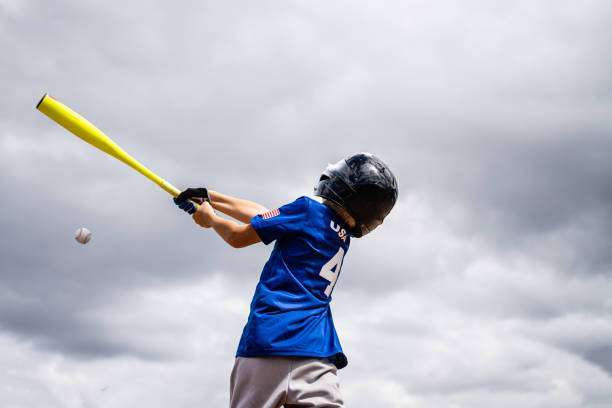
Every time you catch a ball, you’ll experience an instantaneous impact force of tens or even hundreds of Newtons. If these forces act directly on the finger joints, they can easily lead to acute injury and long-term strain. The baseball glove disperses the recoil force through the following mechanisms:
Multi-point cushioning : The palm and fingertips of the glove are equipped with cushioning areas of different thicknesses to disperse the impact according to the speed of the ball and the receiving habits.
Structural guidance : The glove lining is designed to fit the contour of the palm, and the impact force is directed to the wrist along the direction of the metacarpal and phalanges instead of being concentrated on a single point.
Tough material : Using composite materials and high-elasticity leather, the reaction force when catching the ball is absorbed and released slowly by the material instead of being completely transmitted to the hand joints.
Scientific research shows that a properly designed catcher’s glove can reduce the impact force of the hand catching the ball by about 30%-50%, significantly reducing the accumulation of stress in the joints and tendons.
Hand strain and long-term risks
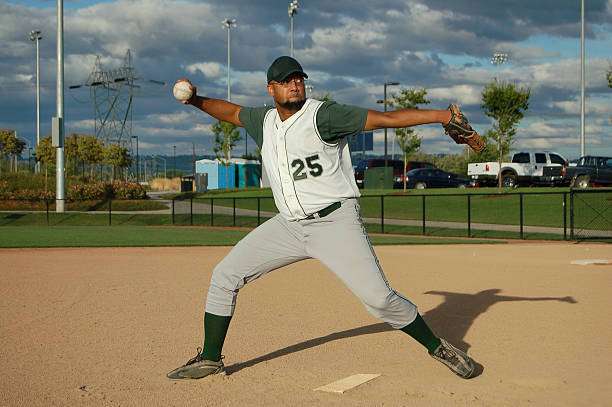
Even with gloves, long-term and repetitive catching can still lead to chronic strain injuries, including:
Joint fatigue : Especially the proximal and distal joints of the fingers, repeated stress can easily lead to micro-injury of the joint capsule.
Tendonitis : Prolonged and high-intensity contraction of the finger flexor and extensor muscles may cause flexor tendinitis or extensor tendinitis.
Palm pain : The base of the metacarpal bones bears constant impact, which can easily lead to chronic pain points that affect throwing and catching movements.
These injuries are often difficult to detect in the early stages, and long-term accumulation may affect career development and hand function in daily life.
Glove selection and use recommendations
To minimize hand injuries, catchers should pay attention to the following when selecting and using gloves:
Appropriate size : The gloves should not be too large or too small. If they are too large, the fingers may slip when catching the ball, increasing the risk of sprains; if they are too small, they will compress the finger joints and increase the conduction of shock.
The thickness of the cushioning layer is moderate : choose the appropriate cushioning layer thickness according to the ball speed and usage habits to protect the hands while maintaining flexibility.
Regular inspection and maintenance : Leather cracking or aging of the buffer layer will significantly reduce the shock absorption effect. The leather should be cleaned and lubricated regularly, and replaced in time when wear is found.
Proper hand strength training : Strengthening the muscles of the fingers, wrists and forearms helps to naturally disperse impact force and reduce dependence on gloves.
Conclusion
A baseball glove isn’t just a piece of equipment; it’s a crucial line of defense for hand health. From cushioning to shock absorption and strain protection, every detail impacts hand comfort and long-term health. Understanding the science behind gloves, choosing and using them wisely, and supplementing them with hand strength training and rest schedules are essential for maintaining performance and protecting hands from injury during the intense sport of baseball.