Is the baseball glove harder to use in the second half of the inning? 4 overlooked truths about fatigue accumulation
I. Baseball gloves are not always the same: the subtle effects of fatigue on materials
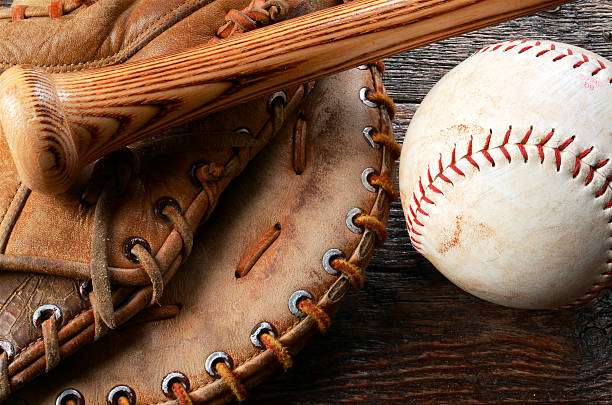
Baseball gloves typically feel agile and reliable in the early stages of a game, but as the game progresses into the second half, many catchers find the glove becomes slightly heavier, and the closing motion is no longer as smooth as it was earlier. This phenomenon is not entirely caused by hand fatigue; the subtle accumulation of fatigue within the baseball glove material itself also plays a crucial role.
Leather undergoes slight loosening of its molecular structure during high-speed impacts and continuous bending. After hundreds or even thousands of impacts, the leather layers of the pockets and back of the hand will show slight stretching and deformation, altering the overall elasticity and rebound characteristics of the glove. The originally designed optimal closing angle may be lengthened, requiring the catcher to exert extra force when closing and throwing. Although the changes are small in each action, when accumulated in the latter part of the game, the catcher clearly feels that the baseball glove is “difficult to use,” with increased closing resistance and sluggish ball feedback.
This fatigue effect is often overlooked. Many people only focus on the initial comfort of the glove, without realizing that the micro-fatigue of the material can subtly change the feel and efficiency of the glove as the game progresses. For professional catchers, this change is enough to affect the speed and accuracy of consecutive passes, while for amateur catchers, this glove fatigue can make them feel powerless throughout the game.
II. Accumulated muscle fatigue in the catcher’s forearm
a baseball glove doesn’t solely stem from the glove itself; the most direct contributing factor is the accumulated fatigue in the catcher’s forearm muscles. The catcher’s forearm is responsible not only for closing the baseball glove but also for quickly passing the ball after receiving it. High-speed balls and frequent movements cause the forearm muscles to constantly contract and relax during the game, especially during continuous catching and rapid passing, leading to a gradual increase in lactic acid buildup.
As the game progresses into the second half, lactic acid buildup reduces muscle contraction efficiency, making the glove closing motion slightly sluggish and affecting the precision of finger control over the ball. Catchers may subconsciously adjust their passing motion, changing power and wrist angle, resulting in the glove feeling heavier and more difficult to handle in actual use. This accumulation of muscle fatigue is one of the key reasons why the baseball glove becomes less effective in the second half of the game.
Furthermore, forearm fatigue can also affect the coordinated movements of the wrist and shoulder, further reducing passing speed and accuracy. This chain-like accumulation of fatigue often manifests itself in the second half of the game, forcing catchers to rely on stamina and skill to mitigate the adverse effects of a difficult-to-use baseball glove .
III. The Cumulative Effect of Impact Absorption by Glove Pockets
Baseball glove pockets experience significant fatigue during continuous high-speed catches. Each high-speed impact slightly compresses the cushioning material inside the pocket, gradually adapting to the direction of the impact. This slight compression is not noticeable in the first few innings, but in the latter part of the game, the pocket’s rebound characteristics change, and the depth and position of the ball entering the pocket may deviate slightly from its original centered position.
This cumulative effect directly impacts passing speed and the smoothness of the movement. Catchers often need to adjust their finger and wrist positions to ensure a stable grip on the ball, increasing their movement time and indirectly slowing down the overall passing rhythm. This “hidden fatigue” in the glove pocket is often overlooked because the glove may not appear obviously damaged, but its internal cushioning and feedback have subtly changed.
In high-level games, even minor pocket fatigue can cause a passing motion to lose momentum, affecting the infielder’s judgment of the passing rhythm and thus altering the efficiency of the entire defensive chain.
IV. The cumulative effect of psychological and motor rhythm fatigue
Besides physical fatigue, the accumulation of mental strain is also a significant reason why catchers find their gloves difficult to use in the latter part of the inning. Catchers must maintain a high level of focus when catching, throwing, communicating with the pitcher, and judging runners’ behavior. When physical fatigue and changes in glove resistance combine, the catcher’s mental load increases, and their rhythm may subtly change.
Mental fatigue can cause catchers to move too early or too late, affecting the timing of the glove’s closure and the ball’s trajectory, making the glove feel more difficult to handle. Especially in crucial situations, catchers often need to compensate for the movement deviation caused by fatigue by making minor adjustments to their wrists or fingers. This compensatory movement itself increases the difficulty of using the baseball glove and further affects the speed of the pass.
This accumulation of mental and physical fatigue is often overlooked by non-professional observers, but for catchers, it directly affects their operational efficiency and defensive performance in the second half of the game. Only by understanding the combined effect of physical and mental fatigue can we fully explain the phenomenon of baseball gloves becoming “more difficult to use” in the second half of the game.
V. The Comprehensive Effects of Fatigue Accumulation
When glove material fatigue, forearm muscle fatigue, the cumulative effect of pocket absorption, and the buildup of mental rhythm all combine, catchers will noticeably feel an increase in the difficulty of playing the baseball glove in the second half of the inning . Every closing and passing motion requires more effort, and passing speed and accuracy are also affected.
This cumulative effect illustrates that the experience of using a baseball glove is not fixed; it changes dynamically as the game progresses. Catchers must simulate high-intensity, long-duration continuous movements in training to adapt to the reality that glove performance changes with accumulated fatigue. Simultaneously, when selecting a baseball glove , its material rebound performance and weight distribution must be considered to reduce the operational burden caused by fatigue in the latter part of the inning.
VI. How to deal with fatigue accumulation in the second half of the game when wearing gloves
To mitigate this cumulative effect, catchers can employ several strategies. First, enhance the endurance of forearm, wrist, and shoulder muscles during matches and training to improve movement continuity and closing stability. Second, when choosing gloves, pay attention to the elasticity of the material and the rebound performance of the pockets to ensure the gloves maintain operational efficiency even after prolonged use. Third, pay attention to adjusting the pace appropriately during matches, utilizing short intervals to allow muscles and gloves to recover. Finally, improve focus and rhythm through mental training to reduce the drag on movements caused by mental fatigue.
Using these methods in combination can effectively alleviate the difficulty of using the glove in the second half of the game, improve the catcher’s passing efficiency and overall defensive performance.
VII. Conclusion: Understanding glove fatigue accumulation and controlling the rhythm of the game
baseball gloves become harder to use in the second half of a game is not accidental, but rather the result of a combination of cumulative fatigue effects. Micro-fatigue from the baseball glove material, forearm muscle fatigue, accumulated cushioning in the pocket, and changes in mental rhythm create a hidden but crucial challenge. Understanding these cumulative realities can help catchers choose baseball gloves more scientifically , train more effectively, and maintain passing speed and defensive rhythm during games.
Baseball gloves are more than just protective tools; they extend the rhythm of the game. Only by understanding the behavioral characteristics of baseball gloves under fatigue can catchers maintain a stable performance in the second half of the inning and become an indispensable core of the team’s defensive system.
FAQ
Q1: Why does the baseball glove feel different in the first and second halves of a game?
Because the material, pockets and cushioning of the baseball glove , forearm muscles, and mental rhythm all accumulate fatigue as the game progresses, leading to increased closing resistance and changes in handling feel.
Q2: Does this fatigue accumulation only occur in professional catchers?
No, any catcher who continuously catches and passes the ball will experience this cumulative effect, but the effect is more pronounced in high-level games.
Q3: How to reduce the impact of the baseball glove becoming difficult to use in the second half of the game?
By improving muscle endurance, choosing gloves with good elasticity and rebound performance, adjusting the pace of the game appropriately, and conducting mental training, the impact of glove fatigue in the second half of the game can be effectively reduced.
Related Posts

The Hidden Costs of Baseball Glove Pocket Depth: 3 Differences in Judging Perceptions
-
Posted by
Lily Anderson