Climate Tests Baseball Gloves: How Temperature and Humidity Affect Leather Performance

I. Introduction: The Invisible Relationship Between Environment and Gloves
Baseball gloves are not only crucial equipment during games but also vital for hand protection. However, many players overlook the fact that glove performance is closely related to the environment. Whether it’s the sweltering heat of summer or the humid, rainy autumn, temperature and humidity directly affect the suppleness, durability, and lifespan of the glove leather. Understanding these effects is essential for catchers’ daily maintenance and glove selection. This article will scientifically analyze the impact of temperature and humidity on baseball glove leather and provide professional care advice.
II. The effect of temperature on baseball glove
1. Changes under high-temperature environment
In high-temperature environments, the moisture in leather evaporates rapidly, causing gloves to become dry and stiff. Especially in the hot summer, gloves exposed to sunlight for extended periods will show significant hardening, affecting the feel of the ball and the comfort of catching it. Hardened leather not only feels stiff to the touch but may also increase the likelihood of the ball bouncing out of the glove, posing a hidden threat to the catcher’s ball control.
Furthermore, high temperatures accelerate the loss of internal oils from the leather, making gloves more prone to cracking or peeling. If oils are not replenished or softened in time, the gloves’ lifespan may be significantly shortened.
2. Performance under low-temperature conditions
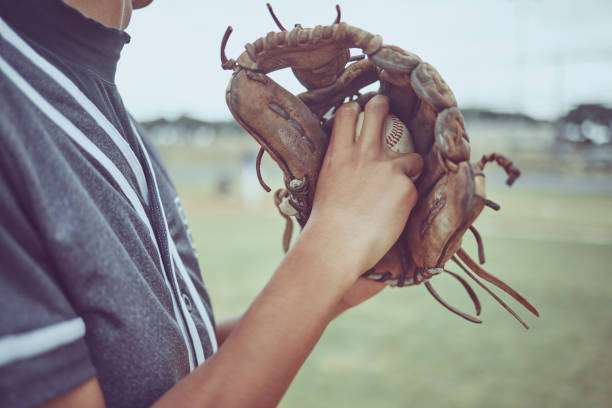
Compared to high temperatures, leather gloves present a different problem in low temperatures: stiffness and brittleness. When the temperature drops below zero, the fibers in the leather shrink, the glove’s flexibility decreases, and it may even crack during vigorous activity. In this situation, catchers may feel the glove is “rigid” when passing or catching the ball, affecting reaction speed and grip feel.
In cold climates, catchers often need to heat or knead their gloves before a game to restore the leather’s suppleness. However, this also means that gloves require more frequent maintenance and care when used in winter.
The Effect of Humidity on Baseball Glove
1. Challenges of High Humidity Environments
When humidity is too high, leather easily absorbs water and swells, causing slight changes in glove size. While the swollen leather may feel soft to the touch for a short time, prolonged exposure to high humidity can cause the internal fibers to mold, resulting in unpleasant odors and discoloration. Furthermore, high humidity reduces the glove’s grip on the ball, making it easier for the ball to slip out, directly impacting performance during the game.
2. The impact of a dry environment
In low-humidity environments, the lack of moisture in leather accelerates cracking and hardening. This is especially true in air-conditioned environments or cold, dry winters, where leather is prone to surface cracking, causing gloves to feel stiff. Cracked gloves not only affect ball handling but also increase the risk of wear and tear at stress points, leading to broken seams or peeling leather.
IV. Changes in gloves under the interaction of temperature and humidity
It is worth noting that temperature and humidity do not act in isolation; their interaction has a particularly significant impact on glove performance. For example, high-temperature and high-humidity environments cause leather to rapidly absorb water and swell. Subsequently, if it suddenly encounters dryness or low temperature, it will quickly shrink, creating repeated stretching stress and increasing the risk of cracking and deformation. Conversely, low-temperature and low-humidity environments cause leather to stiffen quickly, making it prone to damage during use if not softened.
Therefore, understanding the temperature and humidity changes in the environment in which the gloves are used is crucial for catchers’ equipment management. Mastering environmental patterns and taking targeted maintenance measures can effectively extend the life of the gloves and maintain optimal feel.
V. Differences in baseball glove materials and climate adaptability
Catch gloves made of different materials exhibit significant differences in their adaptability to temperature and humidity. Full-grain leather gloves offer high flexibility and durability but are more sensitive to changes in humidity; however, with proper care, their long-term performance can be maintained. Synthetic leather gloves are more water-resistant and less prone to absorbing moisture, but their feel and resilience are generally inferior to natural leather, and they may deform under extreme temperatures.
In addition, the way leather is treated, such as soaking in oil, waxing, or surface coating, can also affect the gloves’ resistance to weather. Gloves that have undergone adequate oil treatment can remain flexible and less prone to cracking, even in dry environments.
VI. Practical Maintenance Strategies
1. Nursing care in high-temperature environments
After matches or training in the hot summer, avoid exposing gloves to direct sunlight as much as possible. Regularly maintain the leather with professional leather oil or softener to keep it moisturized and supple. When not in use, store gloves in a well-ventilated, cool place to prevent accelerated hardening and fading.
2. Processing under low-temperature drying environment
In winter or dry regions, gloves should be regularly oiled to prevent the leather from stiffening and cracking. Use a glove warmer or knead the gloves by hand to restore their softness, but avoid overheating to prevent oil loss. Slight warming before a match can improve feel and ball control.
3. Protection against high-humidity environments
During rainy seasons or in humid climates, wipe off surface moisture immediately after use and allow gloves to air dry naturally. Avoid placing them directly into a dryer or near a heat source for rapid drying, as this can easily cause the leather to shrink or deform. Using moisture-absorbing bags or storing them in a well-ventilated, dry environment can reduce the risk of mold growth.
VII. Conclusion: Understanding Environmental Laws to Extend Glove Life
Baseball gloves are inextricably linked to temperature and humidity. High temperatures can cause gloves to dry out and stiffen, while low temperatures can make leather rigid. Excessive or insufficient humidity can affect the glove’s flexibility and durability. Understanding these environmental factors and adopting targeted maintenance and usage strategies can not only improve game performance but also significantly extend the glove’s lifespan. For every catcher who takes the game seriously, mastering the relationship between gloves and climate is a crucial aspect of improving their competitive level.