Baseball glove grip training techniques: Improve hand endurance and reaction speed.

A baseball glove is not only a tool for protecting the hands during training but also a key auxiliary device for strength and agility training. The catcher is an indispensable key player on the field. They not only need to catch the pitcher’s fastballs but also need to judge the trajectory of the ball in an instant and make accurate throws. Hand strength and reaction speed directly determine the catcher’s performance. Grip strength not only affects the stability of the catch but also relates to hand endurance during long games. Without proper grip training, catchers are prone to fatigue in the latter part of the game, thus affecting their defensive performance.
Hand endurance and reaction training is not simply a matter of clenching your fist; it involves the comprehensive development of muscle groups, the rapid reaction ability of the nervous system, and hand-eye coordination.
The scientific basis of grip strength training
Grip strength training not only enhances finger and wrist strength but also involves the coordinated work of the forearm and hand muscles. The hand muscle groups are complex, primarily including finger flexors, finger extensors, palmar aponeurosis, and the flexors and extensors of the forearm. High-intensity training can stimulate muscle fiber growth and improve tendon endurance, thereby enhancing overall hand stability.
From a neuroscience perspective, grip strength training can also improve reaction speed. Through repeated gripping and releasing movements, the nervous system creates efficient motor pathways between the fingers, wrist, and brain, enabling catchers to complete their actions faster when facing fast-moving balls. In other words, grip strength training is not just muscle training but also an improvement in hand-brain coordination and reaction ability.
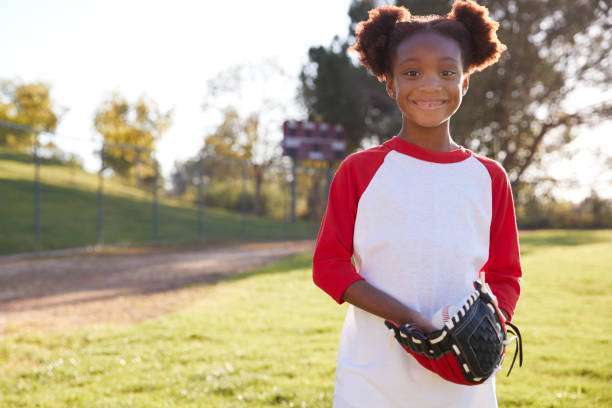
baseball glove in training
Professional baseball gloves have a unique design with thick padding in the palm while maintaining flexibility. This design offers two major advantages when training grip strength:
Increased resistance: The thickness and material of the glove itself increase the resistance when gripping the ball, allowing the finger muscles to be exercised with each catch.
Protect your hand joints: During high-intensity training, the fingers and wrists experience significant impact. Gloves effectively distribute pressure, preventing tendon and joint injuries, and allowing training to continue for longer periods.
During training, gripping the ball or training equipment directly with bare hands without gloves can easily lead to bruises on the fingers or joint fatigue due to excessive impact. Therefore, a baseball glove serves as both a protective tool and an aid to improve grip strength.
Training strategies to improve hand endurance
To improve a catcher’s hand endurance, training should follow a progressive approach. Initially, choose low- to medium-intensity training, such as repeatedly gripping a soft training ball for 30 seconds to 1 minute each time, then gradually increase the grip time or the ball’s hardness. Training should focus on the muscle’s sustained contraction ability, not just single bursts of power.
In addition, training the forearm muscles is also very important. Catchers frequently catch and pass the ball during a game, and these movements require forearm stability to support finger dexterity. Methods such as dumbbell wrist curls and resistance band stretches can strengthen the forearm muscles, thereby extending hand endurance and preventing hand stiffness or fatigue after long games.
It’s important to note that training frequency and recovery are equally crucial. Hand muscles are small muscle groups, and overtraining can easily lead to tendonitis. A scientific training plan involves 2 to 3 targeted training sessions per week, followed by ample rest after each session, and using ice or heat to relieve muscle fatigue.
Techniques to improve reaction speed
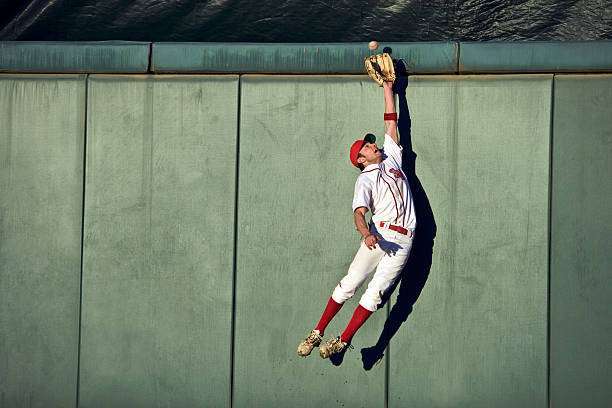
Besides endurance, catchers also need quick reflexes. Training reaction speed relies primarily on hand-eye coordination and instantaneous power release. The baseball glove plays a dual role in this process: protecting the hands and increasing resistance to keep the hands stable during rapid movements.
One effective method is catching drills that simulate real-game scenarios. Teammates can throw the ball from different angles and at different speeds, and the catcher must complete the catching and passing actions in the shortest possible time. During training, attention should be paid to subtle adjustments in the hand grip on the ball, which tests not only finger strength but also the ability to quickly contract and release muscles.
Another common training method is using reaction balls. The reaction ball bounces randomly, requiring the catcher to react quickly. This type of training significantly improves the nervous system’s agility and reaction time while also developing hand muscle control in unexpected situations.
Comprehensive training and daily application
Grip strength training and reaction training need to be combined with practical skills. In daily training, catchers can comprehensively improve their abilities through the following methods:
Long-duration ball-catching training: Maintain the endurance of your hand muscles in each training session, simulating the continuous ball-catching state during a match.
Instantaneous explosive power training: Through quick ball grip release or passing movements, train the hand muscles to get used to high-speed contraction and reaction.
Hand stretching and massage: Prevents stiff tendons in the hands, increases blood circulation, and improves muscle recovery speed.
These methods not only improve hand endurance but also naturally enhance reaction speed in actual gameplay. Long-term adherence will allow catchers to maintain a higher catching success rate during matches while reducing hand injuries.
Scientific training and psychological preparation
Training hand endurance and reaction speed is not only physical but also closely related to mental state. Catchers need to remain focused and calm under pressure, quickly judging the ball’s trajectory and making their moves. Mental focus is equally crucial during grip strength training. Concentrating on each grip and release not only improves training effectiveness but also subtly enhances on-court reaction ability.
Furthermore, maintaining variety and enjoyment in training helps catchers persevere. For example, alternating between training balls of different hardness, simulating different game scenarios, and incorporating reaction ball training can effectively prevent training from becoming monotonous while improving overall abilities.
Summarize
Baseball glove training is not only a tool to improve hand endurance and reaction speed but also an important guarantee for catchers to maintain a high level of performance on the field. Through scientific training methods and reasonable arrangement of grip strength and agility training, combined with strengthening of forearm muscles, hand-eye coordination training, and cultivation of mental focus, catchers can significantly improve their game performance and reduce the risk of hand injuries.
Consistent grip strength training not only makes catchers more stable in games but also makes training itself a key element in improving overall competitive ability. The baseball glove plays an irreplaceable role in this process. It not only protects the hand but also helps catchers achieve higher levels of endurance and reaction through resistance training and stable support.
By understanding the synergistic relationship between muscles, nerves, and mind and combining it with a scientific training plan, every catcher can achieve a comprehensive improvement in grip strength, endurance, and reaction speed, thereby demonstrating greater control and competitiveness on the field.